Power Cut or Electrical Fault: How to Discriminate
To separate between a power cut and an electric mistake, observe the atmosphere. If your lights are out but next-door neighbors' are great, it's most likely an electric fault. Examine your breaker for tripping; if they're undamaged, it's a broader failure. Indications of mistakes consist of flickering lights, a scorched scent, or cozy receptacles. Understanding these indicators assists in resolving the issue successfully. Discover more concerning handling your electrical system and avoiding future troubles.
Takeaways
- An unexpected darkness in your home commonly indicates a power cut, while isolated flickering lights suggest an electric fault.
- Examine next-door neighbors' lights; an extensive failure validates a power cut, whereas localized issues typically suggest a mistake.
- Examine breaker; tripped breakers may signal a mistake, while operational breakers suggest a power cut.
- A burned scent or warm electrical outlets recommends an electric fault, while a full loss of power indicate a power cut.
- If streetlights are out, it's likely a power cut; specific appliance problems recommend localized electric faults.
What Causes Power Issues in Your Home?
When you experience power issues in your home, it's commonly the outcome of a mix of exterior and inner factors. One considerable interior element is aging electrical wiring, which can weaken in time, causing raised resistance and possible brief circuits. This destruction usually results in irregular power delivery or outages. Furthermore, appliance overload can aggravate these problems. When a lot of high-demand devices run at the same time on the same circuit, it can cause breakers to journey or create overheating in circuitry. Both aging framework and incorrect lots administration can compromise your electrical system's integrity. Recognizing these problems important for maintaining a secure and reliable power supply in your home.
How to Identify a Power Cut: Secret Indicators
When you observe abrupt darkness enveloping your space, it's a main indication of a power cut. Inspect your next-door neighbors' lights; if they're additionally out, it verifies the interruption is extensive. Observing these indications assists you promptly assess the scenario and figure out the following actions.
Sudden Darkness Anywhere
Sudden darkness can be disorienting, especially if you're unprepared. When you observe a full power loss, it's crucial to evaluate the circumstance methodically. First, examine your backup illumination systems; if they trigger, it can indicate an isolated interruption instead than an electrical fault. If your emergency situation packages are conveniently available, ensure they contain flashlights and fresh batteries-- these can be lifelines in the dark. Next, inspect your circuit breakers for any type of tripped buttons. A tripped breaker may suggest a localized problem instead of a wider power cut. Take notice of unusual sounds or smells, as these can denote electric faults. In such situations, prioritize safety and take into consideration contacting a professional to even more investigate the circumstance.

Next-door neighbors' Lights Out
Discovering your neighbors' lights flicker out can be a clear indication of a power cut. If a number of homes in your vicinity are dark, it's most likely a shared blackout influencing the whole block. On the other hand, if only your home lacks power, you may be taking care of an electrical fault.
Indicators of a Power Cut Signs of an Electrical Mistake Next-door neighbors' lights outJust your lights are off No streetlights workingCircuit breakers stumbled Sudden loss of power in multiple homesFlickering lights in your houseIn cases of a communal outage, it's important to report the problem to your utility service provider, guaranteeing they can address the scenario without delay.
Identifying Electrical Faults: Caution Indicators
When assessing electrical mistakes, flickering lights and a burned smell are critical indicators you shouldn't disregard. Flickering lights can signal loose links or overloaded circuits, while a charred odor frequently indicates overheating cables or components. Acknowledging these indications early can protect against additional damages and guarantee safety and security.
Flickering Lights Concern
Flickering lights can frequently signal underlying electrical faults that require immediate interest. If you see an LED flicker, it's important to analyze the situation. This concern might develop from loose connections or damaged electrical wiring, which can bring about inconsistent power distribution. Pay very close attention to appliance cycling; if your lights lower when specific tools turn on, it can indicate an overloaded circuit. Normal variations typically aim to deeper troubles within your electric system. Neglecting these indications can escalate right into substantial risks, including electrical fires. To guarantee safety and security, take into consideration consulting a certified electrical contractor for a detailed inspection. Your punctual action not only protects your devices however additionally safeguards your home from potential risks.
Burnt Smell Discovery
Identifying a burned smell in your house can be a crucial indication of electrical mistakes. This odor typically indicates charred circuitry, which can lead to serious hazards if not addressed without delay. When you notice this scent, it's important to explore instantly.
Potential Cause Action Required Overloaded circuitsLower appliance use Harmed insulationExamine circuitry for wear Damaged connectionsWork with a certified electrical contractor Overheating appliancesTurn off and unplug gadgetsOdor detection is essential in avoiding electrical fires. If the charred scent lingers regardless of taking preventative measures, don't be reluctant to contact a professional for a detailed assessment. Your safety and security is critical.
How Your Circuit Breaker Affects Power Issues
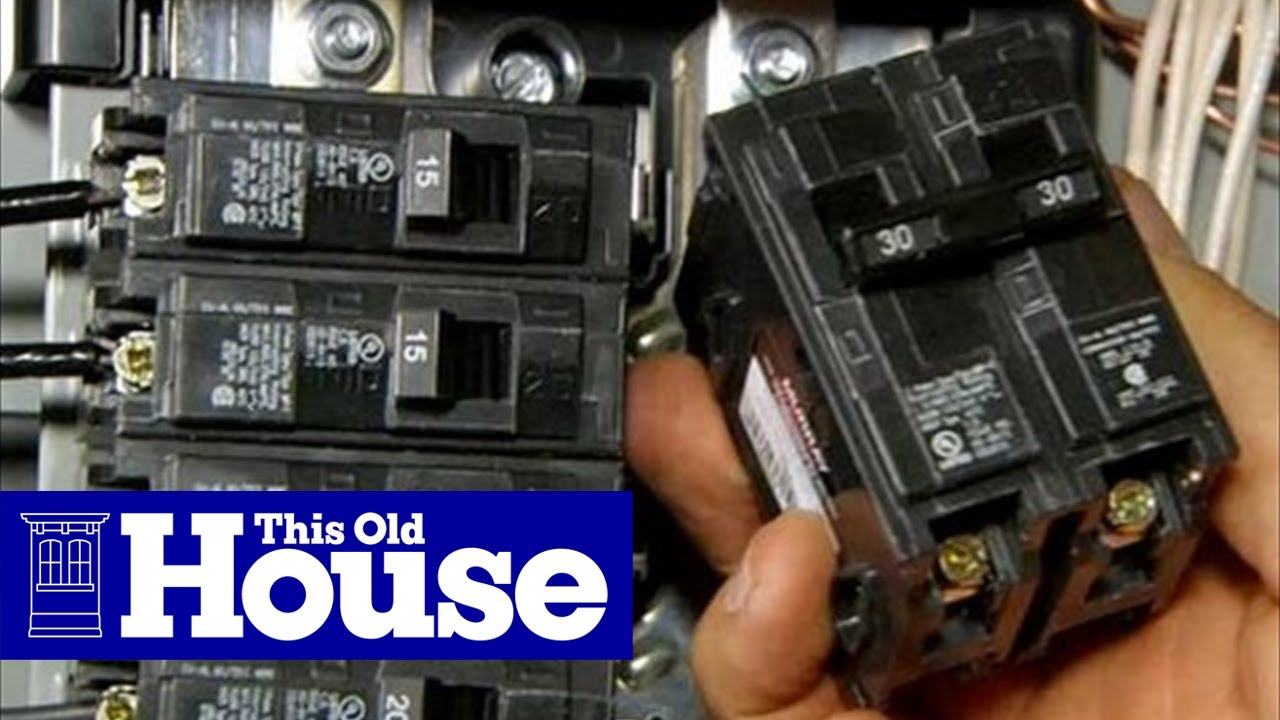
Although usually neglected, your breaker plays an important function in managing power problems within your home. It assures lots balancing by distributing electrical existing throughout circuits, protecting against overloads. If your breaker trips, it indicates a potential fault or excess load, safeguarding your devices from damages. Regular breaker maintenance is essential; disregard can bring about reduced performance and enhanced threat of failing. Furthermore, lots of modern-day circuit breakers incorporate arc detection modern technology, which determines unsafe arcing problems that could bring about electric fires. By understanding your circuit breaker's functions and preserving it properly, you can noticeably lower the chance of power concerns, making certain a safer electric setting in your home.
Immediate Tips During a Power Cut
When a power cut takes place, the first action is to remain tranquil and analyze your instant surroundings. Check if your emergency situation lights activates; this might indicate whether it's a localized concern. If it doesn't, validate if next-door neighbors are additionally affected. Next, situate your battery backups for important gadgets, guaranteeing they're operating correctly. Focus on crucial tools like medical gadgets, phones, or laptop computers. Keep your refrigerator and fridge freezer near preserve materials. If the outage lasts longer than expected, consider utilizing alternative lights however prevent candle electricians in minster lights due to fire dangers. Finally, remain educated by making use of a battery-operated radio or your mobile gadget, if readily available, to receive updates on the circumstance.
Safely Taking Care Of Electrical Mistakes at Home
Identifying electrical faults in your house is vital for security and protecting against additional damage. When you presume an electrical issue, comply with these steps for secure handling:
- Safe Unplugging: Always disconnect appliances before examining them. This decreases the threat of shock and further damages.
- Cable Evaluation: Regularly inspect cables for frays, burns, or any type of noticeable damage. Damaged cables can result in short circuits or electrical fires.
- Examine Receptacles: Inspect receptacles for staining or a burning odor. If you discover any problems, prevent using that receptacle quickly.
When to Call an Electrical Expert for Home Issues?
Recognizing the ideal minutes to call an electrician can prevent minor problems from escalating right into major dangers. If you notice frequent breaker journeys, flickering lights, or a burning scent, it's vital to act quickly. These signs and symptoms usually suggest underlying electric faults that require professional focus. Also, if receptacles feel cozy or show discoloration, do not be reluctant to call an electrical expert. Disregarding these indicators can result in dangerous scenarios, including electrical fires. Establishing a normal service timetable with a certified electrical expert can assist maintain your home's electric system, guaranteeing safety and security and performance. Remember, proactive steps are always far better than reactive ones when it relates to electrical safety and security in your home.
Avoiding Future Power Issues in Your Home
To secure your home from future power issues, it's crucial to implement a aggressive upkeep technique. By taking these actions, you can greatly lower the risk of electric faults:
- Install Smart Surge Protectors: These devices aid secure your electronics from voltage spikes, preventing damages during power rises.
- Conduct Routine Inspections: Schedule routine check-ups with a certified electrician to assess your electrical wiring, receptacles, and overall electric system. This can catch prospective issues prior to they rise.
- Update Electrical Solutions: If your home has outdated electrical wiring or circuit breakers, consider upgrading to satisfy present security standards and boost efficiency.
Frequently Asked Inquiries
Can Power Cuts Affect Appliances Differently Than Electric Mistakes?
Power cuts can indeed affect home appliances differently than electric mistakes. Image your appliances as fragile flowers in a tornado; power cuts leave them stalling, while electrical faults release disorderly winds. During a power cut, devices may continue to be risk-free, however they're vulnerable to harm from rises when power returns. Utilizing surge protection can secure them from these spikes, unlike during an electrical fault, where damage can occur promptly due to unpredictable currents.
How Much Time Do Power Cuts Normally Last?
Power cuts commonly last from a few minutes to several hours, relying on the reason and utility action. If it's a prevalent problem, remediation could take longer. Having backup generators can be crucial for maintaining power during extended outages, especially for critical devices. Constantly consult your energy carrier for estimated repair times, as they can offer you the most accurate info based on the present situation.
Are Power Cuts Much More Common in Particular Seasons?
Yes, power cuts are more common during particular periods. Seasonal heights frequently straighten with severe weather condition relationships, like winter tornados or summer season heatwaves, which can strain electric grids. In winter months, ice and snow can damage power lines, while in summer, boosted need for cooling can cause outages. Recognizing these patterns assists you get ready for potential interruptions and ensures you're all set for seasonal obstacles that could impact your electrical power supply.
Can I Utilize Candles During a Power Cut Safely?
electrician minsterYes, you can make use of candle lights throughout a power cut safely, yet you need to consider a couple of safety measures. Make certain appropriate candle lights safety by placing them on stable surface areas and away from flammable materials. It's also vital to preserve interior air flow; melting candles can deplete oxygen and generate carbon monoxide gas in inadequately aerated areas. Limit the usage of candle lights and choose for options like flashlights whenever possible to decrease risks.
What Should I Do if I Suspect Faulty Circuitry?
If you believe defective electrical wiring, it's like having a ticking time bomb in your home-- address it immediately. Start by examining switches for any kind of indicators of damages or burning. If you see anything unusual, do not be reluctant to call an electrician. They'll detect the issue securely and efficiently. Overlooking possible circuitry problems can lead to significant hazards, so it's vital to act rapidly and make sure your home's electrical system is protected.
Corrections
Spot something wrong? Send it to the desk and it gets fixed in the open.